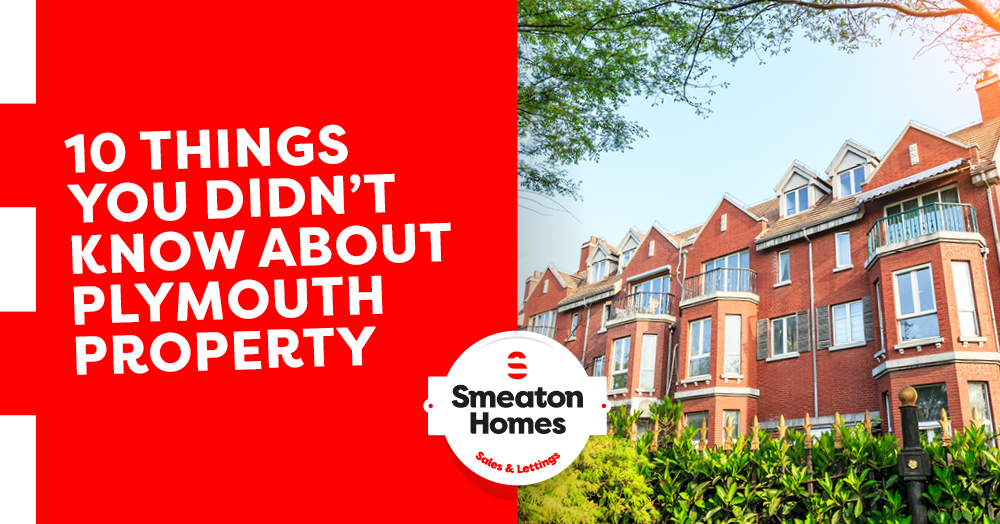
10 Things You Didn't Know About Plymouth Property
Plymouth's property market is more than just bricks and mortar; it's a tapestry woven with history, unique trends, and surprising facts. Delve into these lesser-known insights that make the city's real estate truly distinctive.
Plymouth, Britain's Ocean City, boasts a rich maritime heritage and a vibrant modern landscape. While many appreciate its stunning waterfront and historic Barbican, the nuances of its property market often go unnoticed. As your local estate agent, we've uncovered some fascinating facts that might just surprise you.
1. A Post-War Rebuild Masterpiece
Much of Plymouth city centre was extensively rebuilt after World War II. This means a significant portion of its housing stock, particularly in central areas, dates from the mid-20th century, offering a different architectural flavour compared to many other historic UK cities.
2. The Rise of the 'Staycation' Market
With its coastal charm and proximity to Dartmoor, Plymouth has seen a surge in demand for holiday lets and second homes, particularly in areas like the Barbican and Hoe. This trend significantly influences property values and availability.
3. University Impact on Rentals
The University of Plymouth is a major economic driver. Its large student population creates a robust and consistent demand for rental properties, especially multi-occupancy homes, making student accommodation a key sector for landlords.
4. Naval Base Influence
HMNB Devonport, the largest naval base in Western Europe, has a profound impact on the local property market. It provides stable employment, leading to a steady demand for housing from service personnel and their families, often influencing rental cycles and purchase patterns.
5. Hidden Georgian Gems
Despite the post-war rebuild, pockets of exquisite Georgian architecture still exist, particularly in areas like Stonehouse and around the Hoe. These properties are highly sought after for their historical character and often command premium prices.
6. The Commuter Belt is Expanding East
While traditionally focused on the city, improved transport links and the desire for more rural living mean areas further east, towards the South Hams, are increasingly becoming part of Plymouth's commuter belt, driving demand in villages like Yealmpton and Wembury.
7. Waterfront Premium
It's no secret that waterfront properties are desirable, but in Plymouth, the premium is particularly pronounced. Homes with direct views of Plymouth Sound or the Tamar Estuary can fetch significantly higher prices, reflecting the city's deep connection to the sea.
8. Regeneration Hotspots
Areas like Millbay and Stonehouse are undergoing significant regeneration, transforming former industrial sites into modern residential and commercial hubs. These developments are attracting new residents and investors, promising future capital growth.
9. Strong First-Time Buyer Market
Compared to some larger UK cities, Plymouth offers a relatively accessible entry point for first-time buyers. A diverse range of property types, from terraced houses to modern flats, provides options across various price points, fostering a healthy first-time buyer market.
10. The 'Green' Appeal
Plymouth's commitment to green spaces and sustainability is increasingly influencing buyer decisions. Properties close to parks, nature reserves, or with eco-friendly features are gaining popularity, reflecting a growing environmental consciousness among residents.
Understanding these unique aspects of Plymouth's property market can provide a significant advantage, whether you're looking to buy, sell, or invest. For expert advice tailored to these local insights, contact us at info@smeatonhomes.co.uk