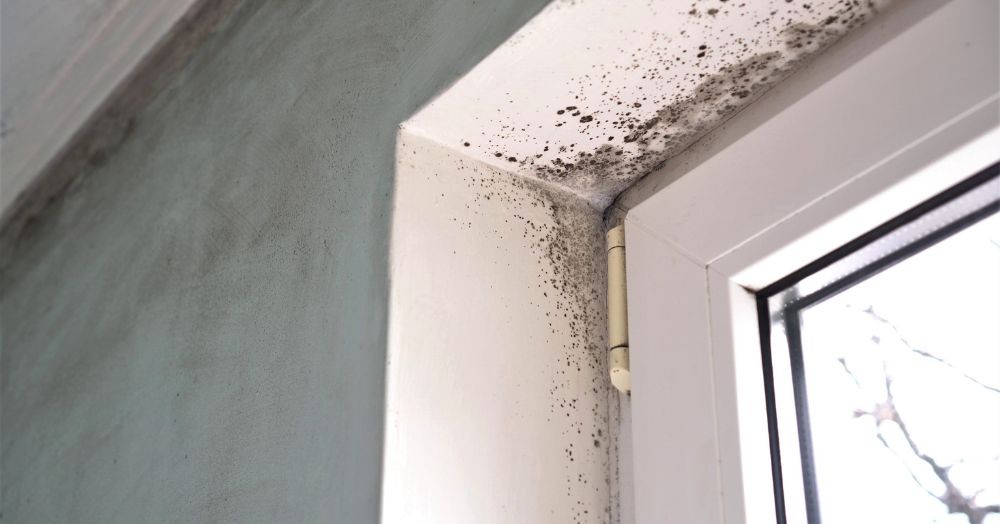
Stop Black Mold From Ruining Your Home: Essential Tips for Prevention
As the nights get longer and the temperatures plummet, households across the UK are turning up the heat. But with this shift in temperatures, it's not uncommon for mould and mildew to rear their ugly heads in some properties.
Black mould forms in the cold spots, nooks, and crannies in properties, and it occurs when the moisture in the air reaches the colder sections of the property and condenses.
This is unsightly, but it can also be dangerous as those spores can dry, be released into the atmosphere, and be breathed in, which is harmful to the lungs.
What do you do if you find mould in your home?
In short, clean it off. Using a mould-removing spray or a solution of diluted bleach and water can get rid of the spots of mould, but it is not likely to prevent them from coming back.
So, how can you prevent this mould from forming?
- Ventilation - When steam or condensation builds up on the windows, opening the windows a crack can let this moisture-filled air out.
- Dry condensation from windows, etc., with a towel to remove the moisture build-up as soon as possible.
- Heat/warmth - to try to reduce the potential of cold spots in your home, keep the temperature at a consistent level.
- Reduce the added moisture in the property, e.g., use extractor fans, don't dry wet clothing on the rads, open windows after showers, etc., and use pan lids on pots when cooking.
- Pull furniture out from the walls to allow a free flow of air.
If the problems persist, you might need to look into more invasive preventative solutions. This could be as simple as adding a ventilating fan in the bathroom to increase the loft insulation or add insulation to the cavity in your walls. Each property will be different, so you should really seek professional advice before spending any significant sum.
If you're a landlord dealing with a tenant's mould complaints, remember, you're not alone. Sharing this information with them might be helpful to prevent issues from developing in your rental properties and our team is here to provide advice and guidance on how to handle this issue effectively.