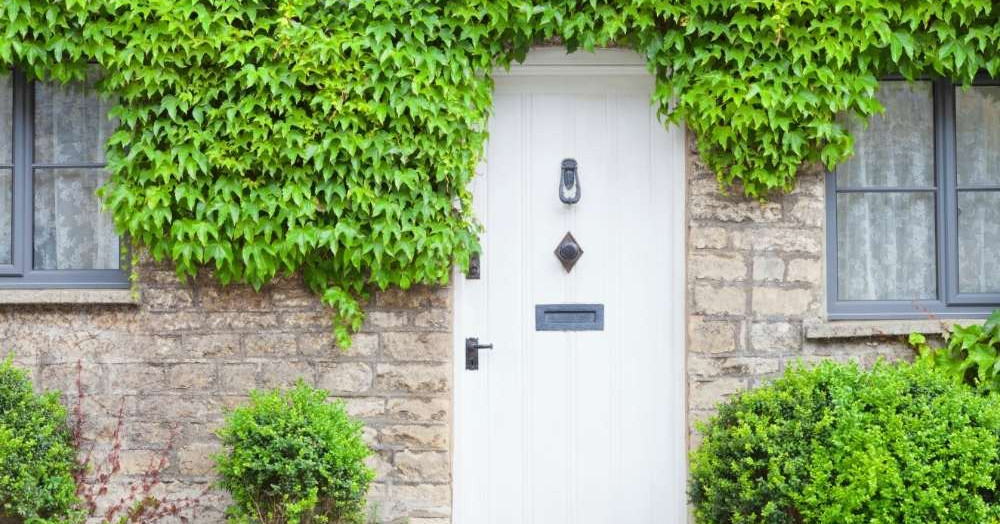
Things to know before buying a charming old character home...
Even though new homes are growing in popularity, older homes are still the dream for many homeowners. An “old home” tends to refer to properties built earlier than 1940 and can conjure images of farmhouses, cottages and country homes all oozing with character and history.
If you want a charming property with lots of space and an outbuilding or two, then you will definitely be looking at older properties. They are usually found in or around villages and their unique appearance represents a bygone era of architecture and artisans’ skills.
The older a building is, the more careful you need to be when looking to buy.
Thatch
Houses with thatched roofs are beautiful and usually a favourite with house hunters due to their appearance. It is important to remember though that the thatch makes them more prone to fires, which will considerably boost up your insurance costs, as they are not expensive to repair.
If you do want to buy a home with a thatched roof, then it is important you get the condition of it checked very thoroughly. These roofs can last up to 90 years when done well, but they are getting harder to replace as less and less people have the skills to thatch a roof these days.
Listed Buildings
A building that has been listed is most likely of historical interest and so is protected in this country. There are many different reasons why a building can be listed, including: rarity, age, construction method or architectural merit. They could have also been the home of a famous person or the scene of a very important event.
If a building is very old, then it is quite likely to be listed – there are currently over 500,000 listed buildings in the UK and most of them were built before 1840. Though it can be harder to make alterations to a listed building, it isn’t impossible. Alterations and extensions can happen if you are given consent, and your local council will be able to guide you on what exactly will require that consent.
Conversions
Conversions of older buildings are very popular, and these days you see homes that have been converted from old schools, train stations and barns all over the place. Barn conversions are the most popular, but they are not cheap, and require planning permission.
Once you have a building ready to convert, you need to be prepared to pay around 50% of the property’s value to turn it into the home of your dreams. The best thing to do is to try and find an old building that has already been converted ready to sell, then you will have the best of both worlds.
Target Areas
Once you have found an old building that you like, there are a number of areas you need to look out for before committing to anything:
Roof – Look at the roof when you are stood outside the house and check for any missing slates or tiles.
Walls – Cracks in walls are always a bad sign as they could be caused by subsidence and could end up very costly.
Pipes and Drains – Something that can lead to subsidence is having dodgy drains and sewers. Instead of the plastic pipes newer houses have, old houses have clay pipes, which are more susceptible to damage.
Damp – Rising damp is quite common and can cause a lot of damage and be very expensive to fix. Stains on the wall and damaged plaster will give away how bad a damp problem is.
As long as you have all the necessary surveys done, and you’ve checked the house thoroughly, there’s no reason why you can’t enjoy your beautiful old home!