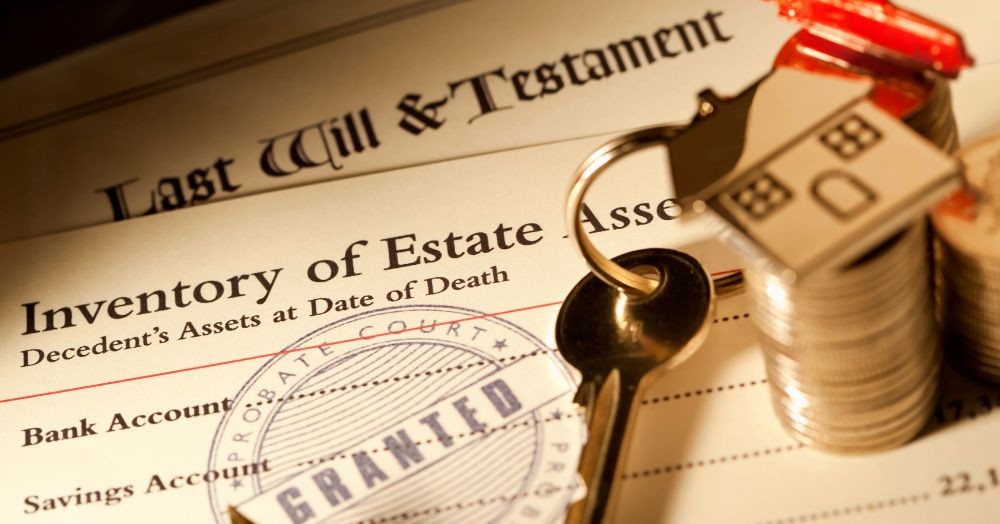
What is probate and how could it scupper your property plans?
What exactly is probate?
If you've ever had someone in your close family pass away, you may have become aware of the process of probate. According to gov.uk, probate is the legal right to deal with someone's property, money and possessions (their 'estate') when they die. The process of managing the estate of a deceased person can be complicated and, therefore, can take some time before you are given the authority to dispose of any of the assets.
The estate of a deceased person will often include a property, meaning that the term' probate property' has come into use within estate agency. But what are the implications for both buyers and sellers when handling a probate property?
If the beneficiaries of a will have not yet been granted probate, they do not actually have permission to dispose of the asset. The Government recommends not making any financial plans or putting property on the market until you've got probate.
However, this process can be lengthy and time-consuming. So, many beneficiaries will opt to market the property alongside the probate process in an attempt to save some time. After all, an empty property can still be expensive; even if there is no mortgage, there will still be utilities and council tax payments, and house insurance premiums can increase when a property is left vacant for a long time. To minimise the time a property is vacant, it is possible to market for sale while waiting for probate to be granted.
Things can get problematic when you have a buyer, but no probate, as it is impossible to complete a sale without confirmation that you have the right to sell the property. This could leave your chain waiting and delays may mean that buyers pull out of the sale.
If you are considering buying a property that is currently going through probate and you're waiting for that all-important confirmation, you could find yourself ready to complete the sale but having to wait until the probate is granted. This can drag out your sale process and delay moving in, which, of course, will have a knock-on effect if you are selling a property to your buyers and their buyers, and so on. Being aware of these potential challenges can help you prepare and manage your expectations.
The average time for probate to be granted in the UK is around 16 weeks, which is only slightly longer than the length of time it takes to handle the legal process for a sale. However, if you and your solicitors communicate clearly with the parties in the chain, you can keep everyone informed and coordinate the sale and the probate successfully, providing a sense of reassurance and control.
To sum up, there is no need to avoid offering on a property that has not yet been granted probate, but it is essential that you understand where the sellers are at in the process before you make an offer so that you can manage the expectations of your completion and your chain.
If you find yourself in the unfortunate position of having a deceased family member and the estate to deal with, get in touch with our team of experts to help assist in the sale of the property that is left behind. With clear communication between all parties, the probate process needn't be an obstacle in finding a buyer for the property. Our team is here to guide and support you through this process.